Holobiont Urbanism
video and exhibit production, 2016–2017
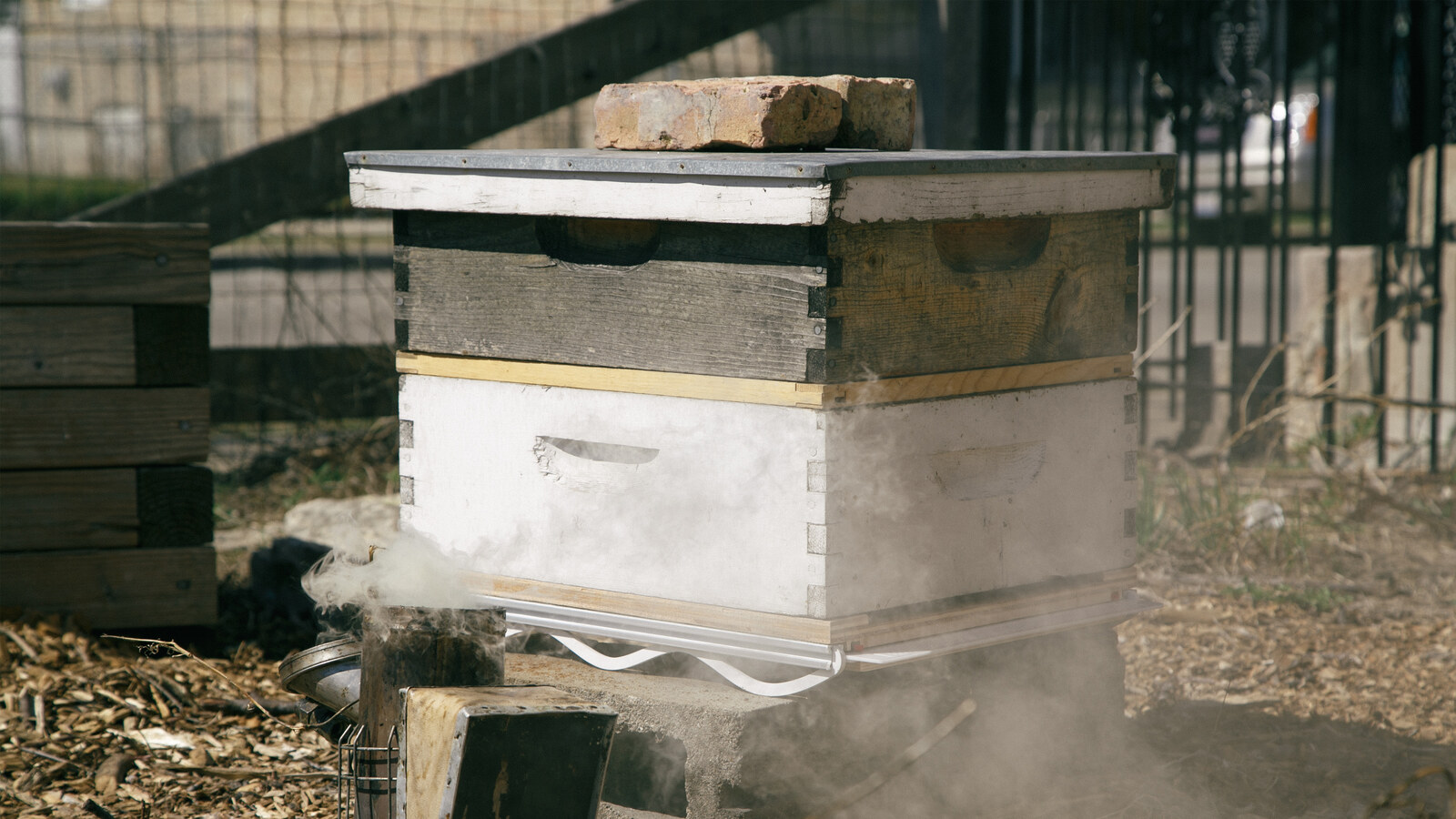
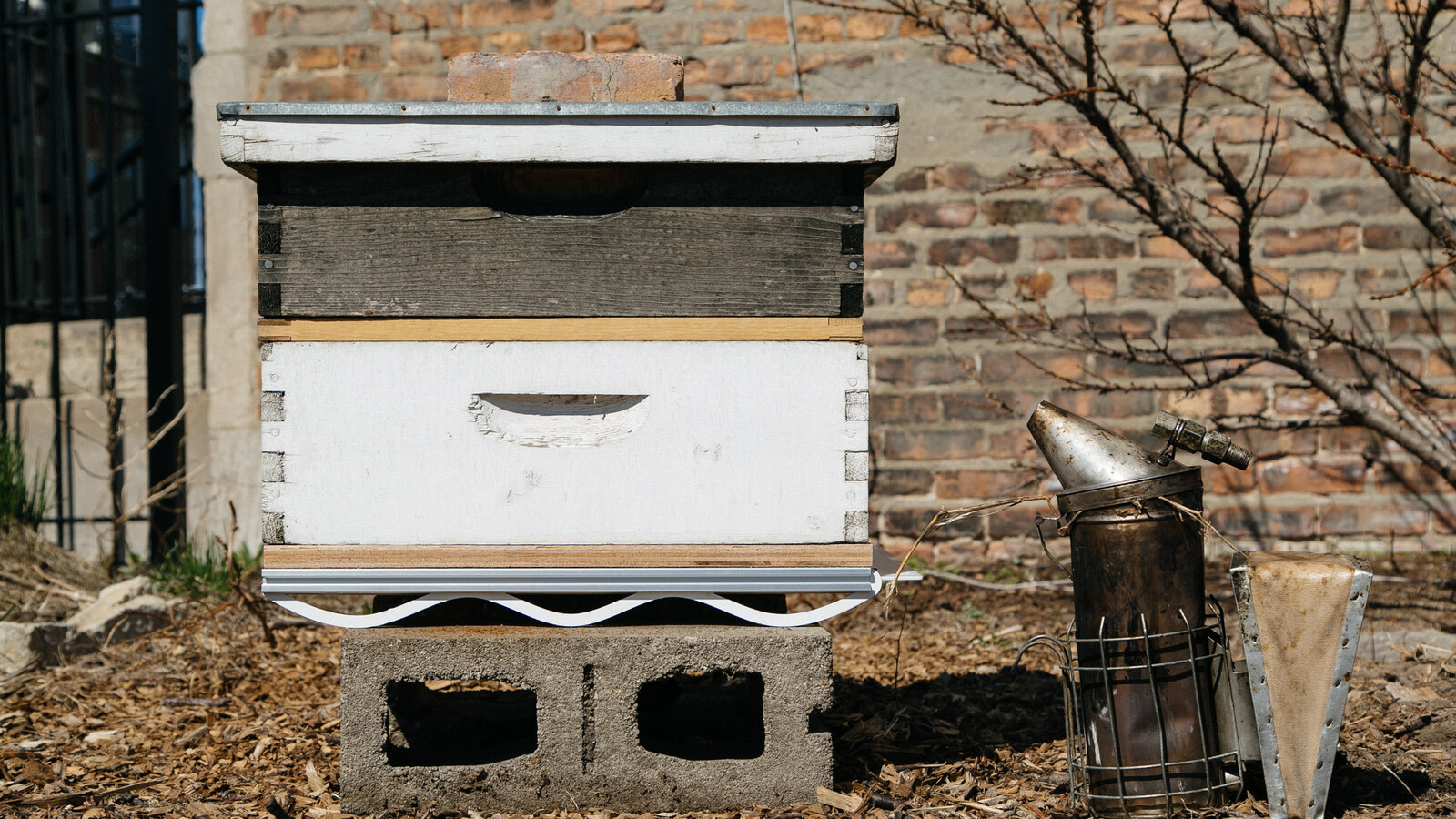
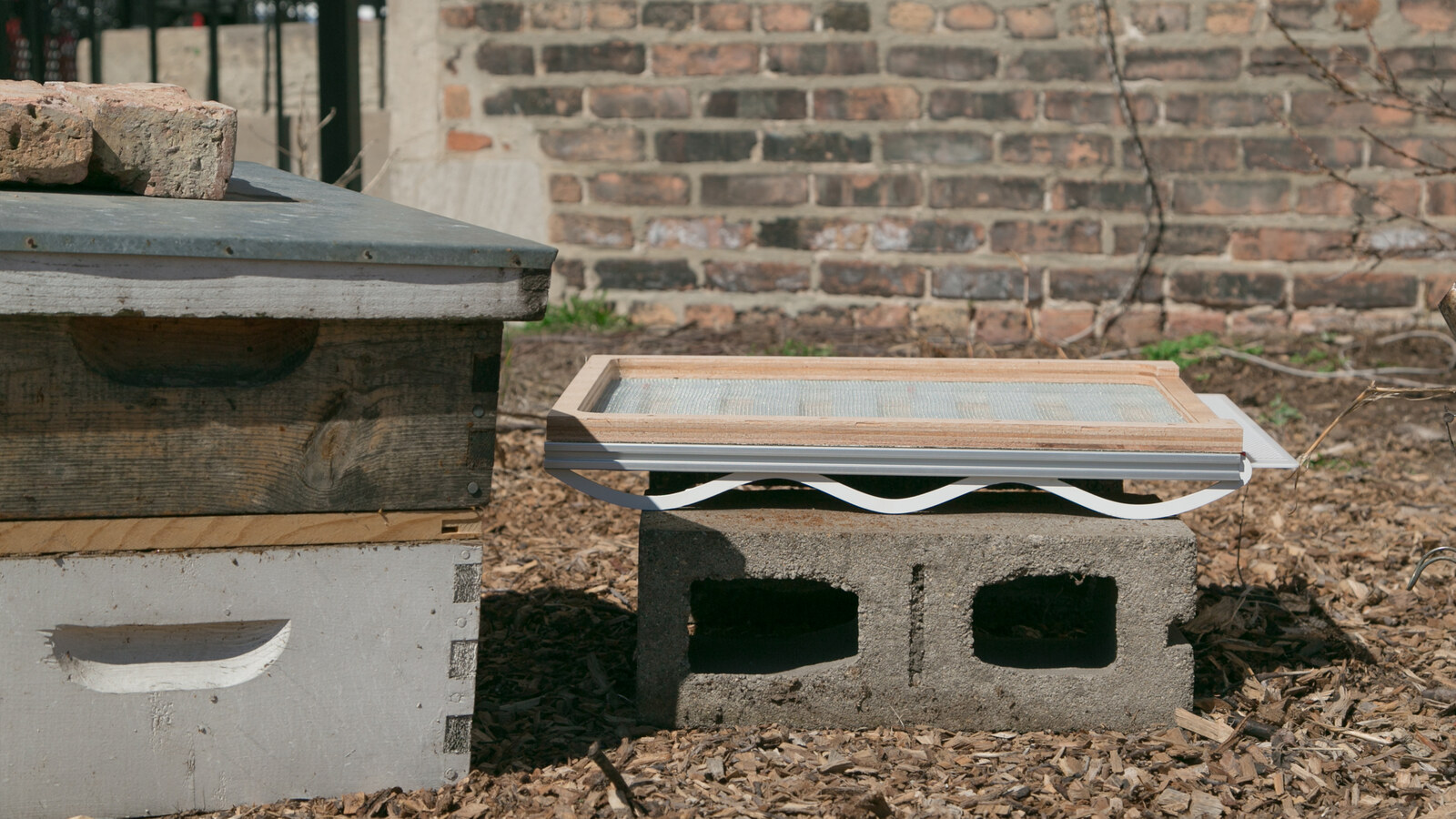
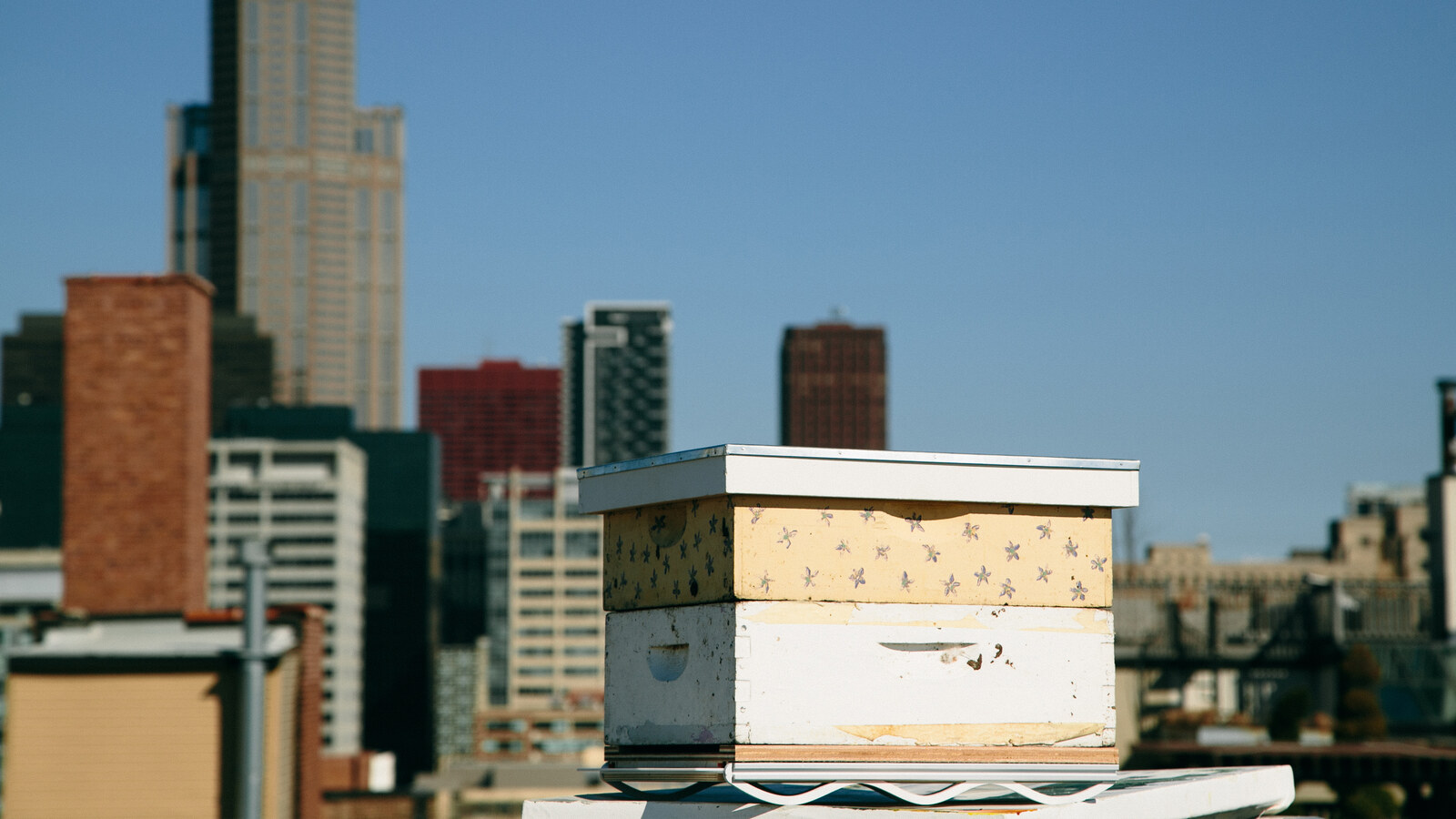
Shown at the 2016 Venice Architecture Biennale, these modified beehives collected debris from a city's bees to sequence the city's metagenome.
Covered in WIRED Fast Company MIT News National Geographic Popular Science The Conversation Science Friday WIRED National Geographic MIT News Environmental Microbiome Information is Beautiful Awards Springer Nature
Honeybees forage within a few kilometres of their hives, gathering environmental material from surfaces they touch and carrying it back to the colony. By modifying a hive to capture debris that falls from returning bees, researchers sequence the collected matter to assemble a genetic portrait of an urban microbiome.
At the 2016 Venice Architecture Biennale, an installation at Palazzo Mora presented a metagenomic beehive based on this sampling method. The project gathered samples across Brooklyn, Sydney, Melbourne, Venice, Chicago, and Tokyo. The scientific findings were published seven years later in Environmental Microbiome.
Kevin Slavin led the project, with Miguel Perez as project lead and hive engineer, Elizabeth Hénaff on computational biology, Devora Najjar on sampling and DNA, Regina Flores Mir on design and data visualisation, Chris Woebken on design, Christopher Mason as science advisor, Jun Fujiwara, and beekeepers in each city.